

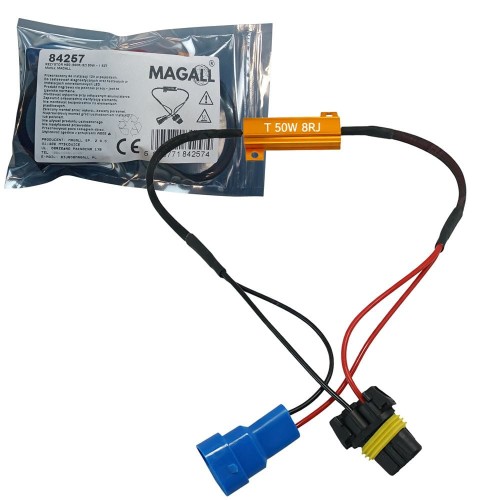
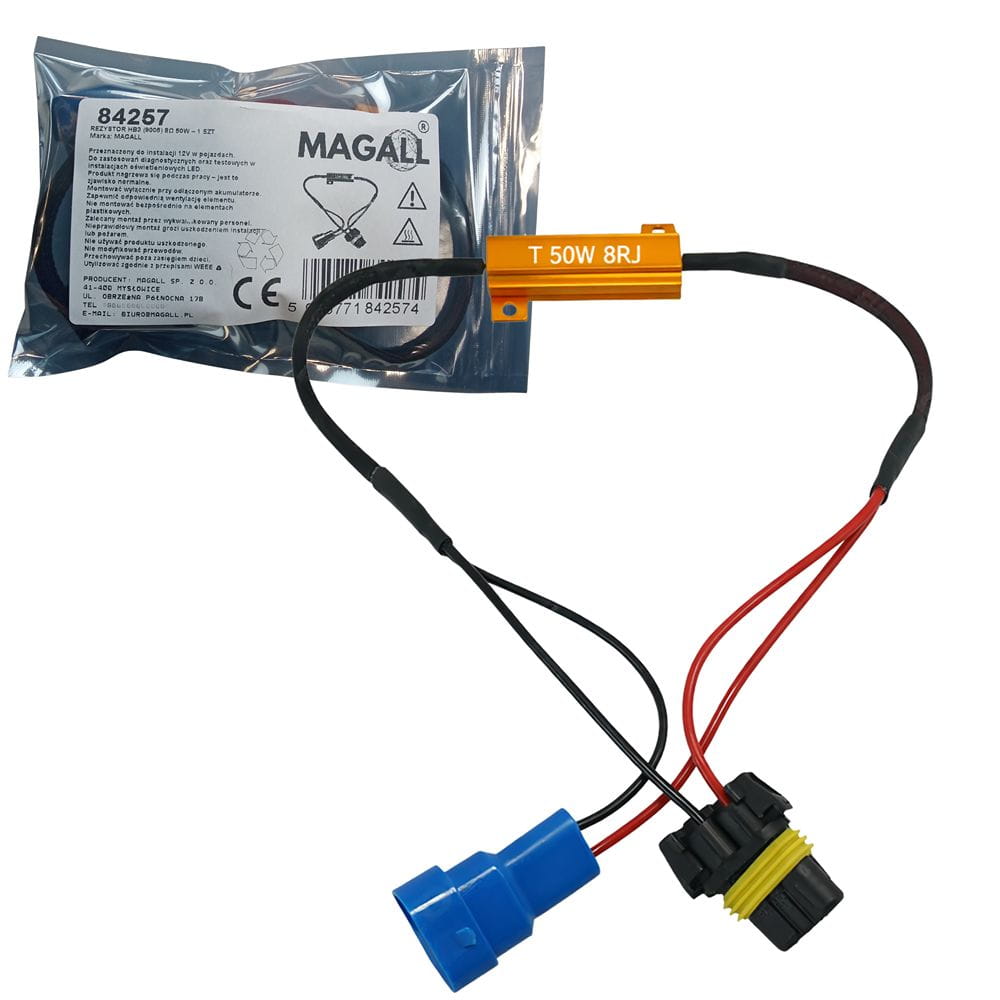
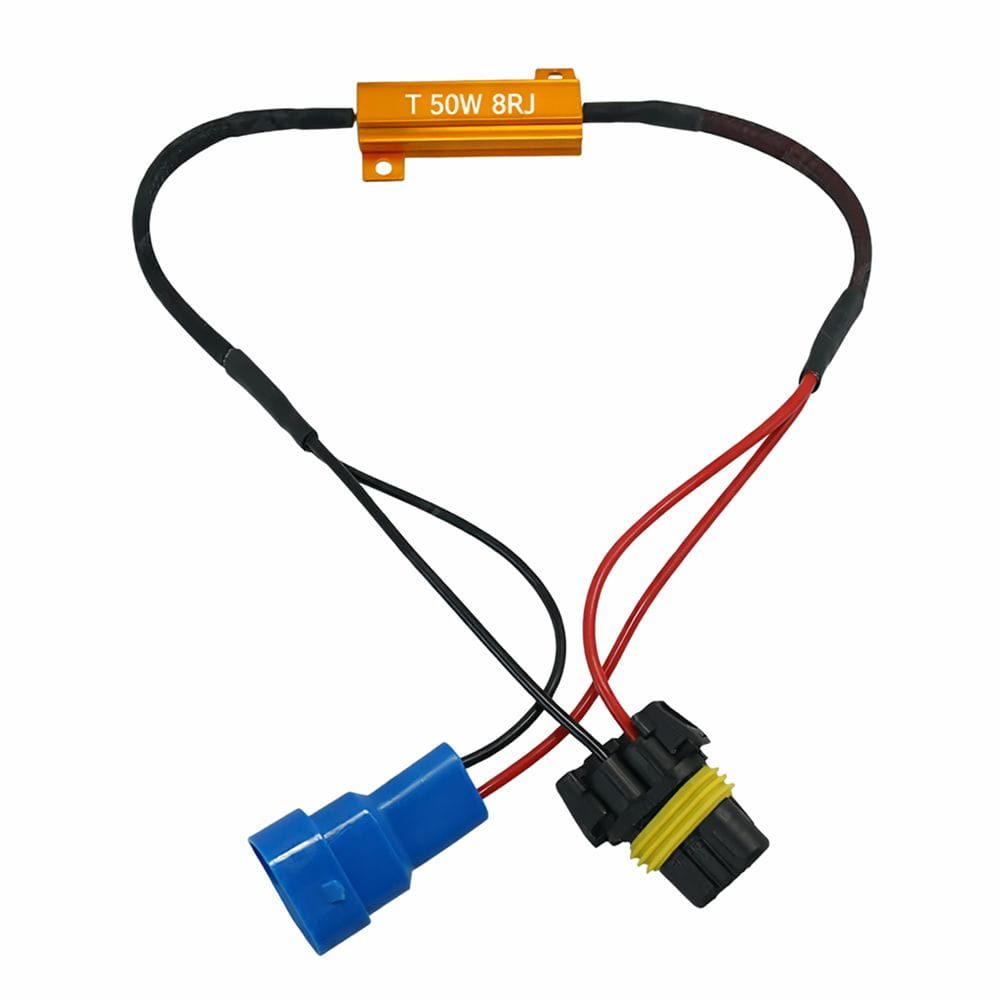
CANBUS resistor HB3 (9005) 8OHM 50W 12V - Plug&Play LED adapter MAGALL
Regular price:
Regular price:
product unavailable
add to wish list
Description
CANBUS resistor HB3 (9005) 8OHM 50W 12V – Plug&Play LED adapter MAGALL
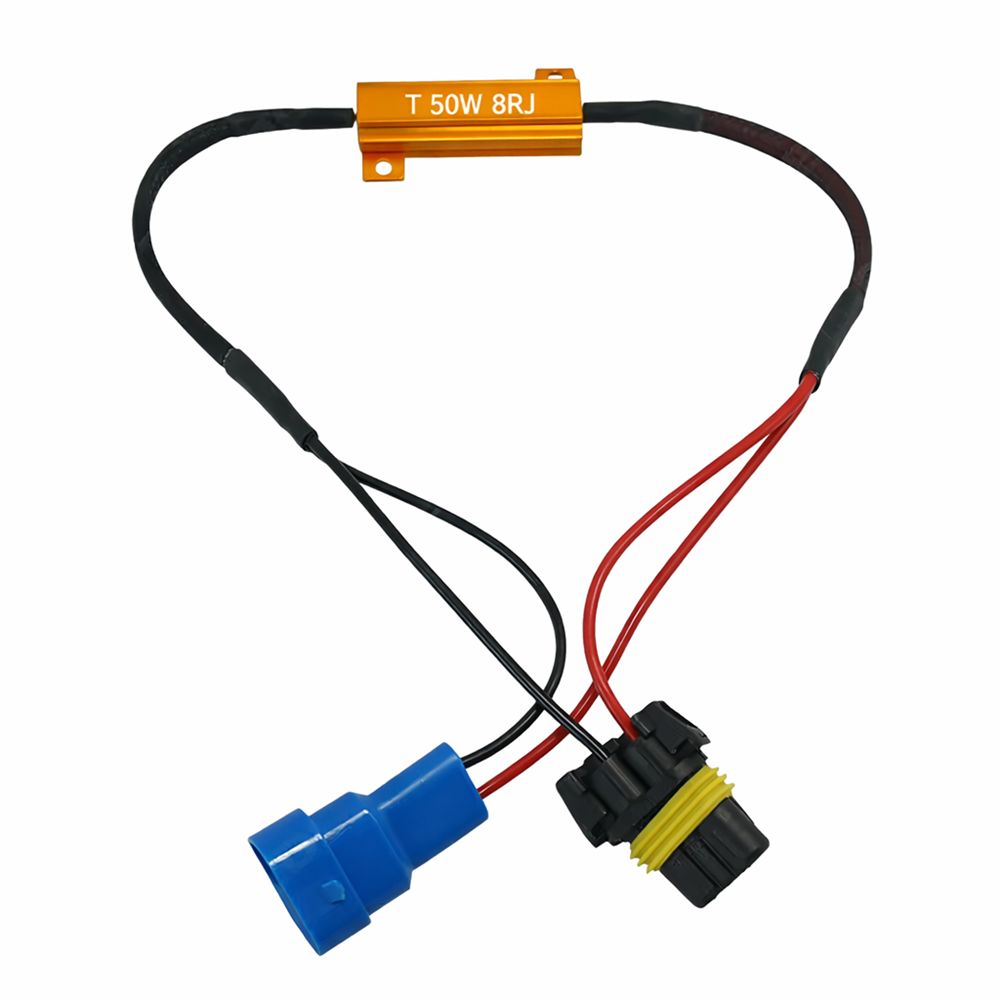
MAGALL CANBUS load resistor – HB3 / 9005
A resistor adapter designed for 12V, used when fitting HB3 (9005) LED bulbs in vehicles with a bulb failure monitoring system (CANBUS or classic load diagnostics).
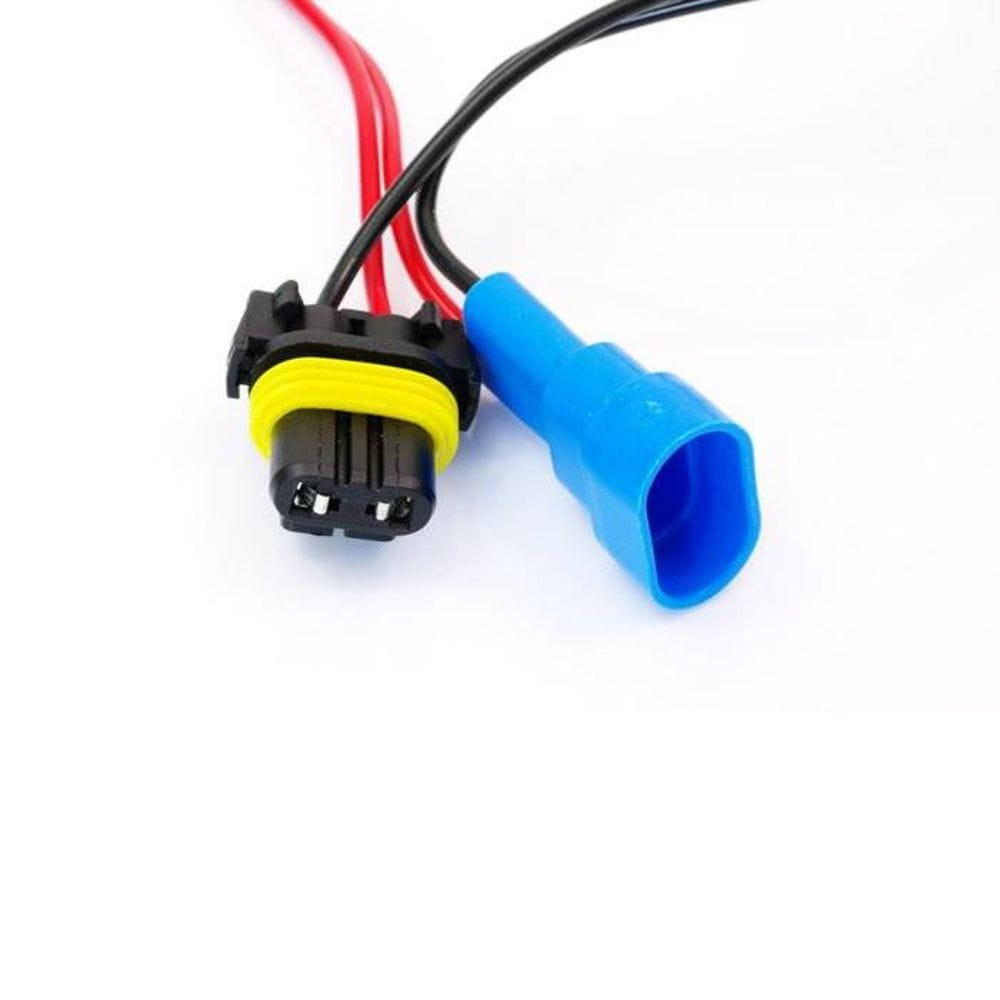
The product has factory HB3 plugs – plug + socket, which allows quick Plug & Play installation without cutting wires or changing the vehicle's wiring.
How does it work?
After fitting an LED bulb, current draw is much lower than with a classic HB3 halogen (60W).
The CANBUS resistor:
- creates an additional electrical load,
- lowers the resistance seen by the system,
- prevents bulb failure errors and unstable light operation.
The resistor does not power the LED and does not light up – the energy it draws is converted into heat (a normal phenomenon).
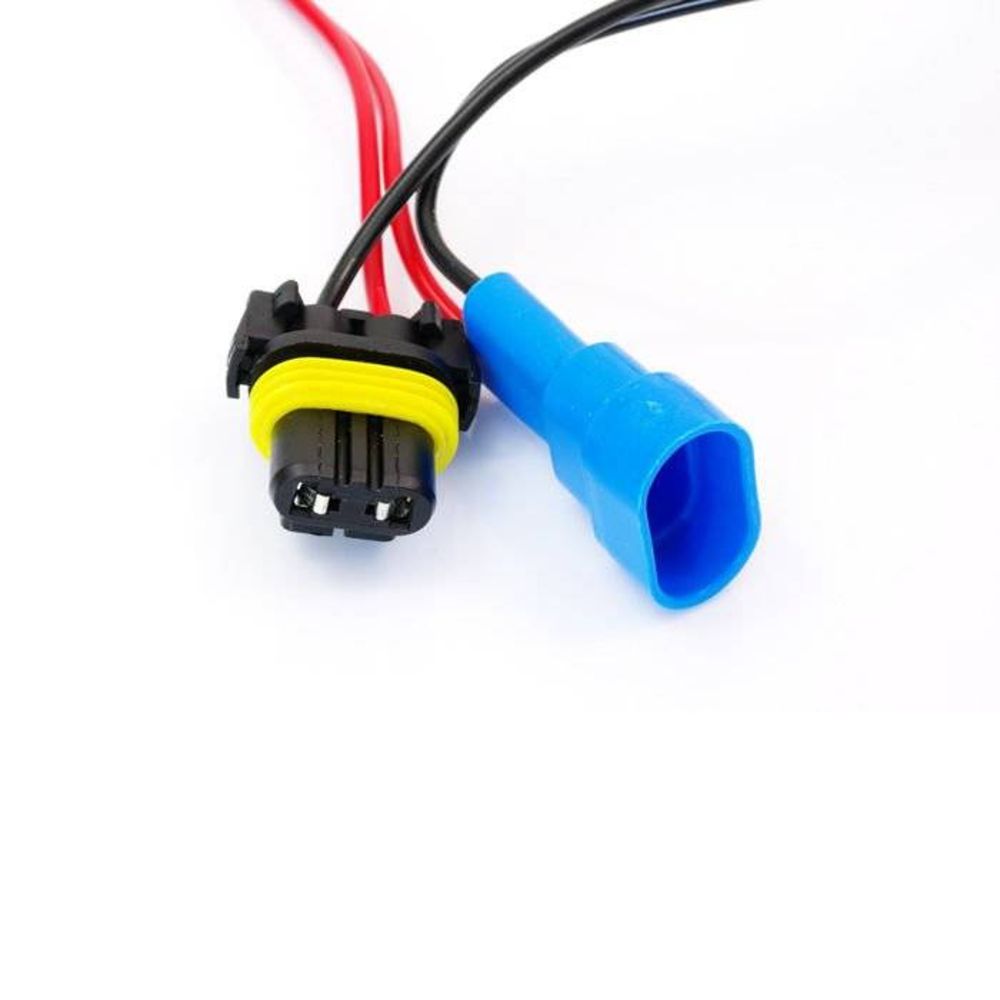
Technical specifications:
- Brand: MAGALL
- Base type: HB3 / 9005
- Resistance: 8 Ω
- Rated power: 50 W
- Operating voltage: 12V
- Type: CANBUS load resistor
- Housing: aluminium (heat sink)
- Installation: Plug & Play
- Set: 1 bulb
Operating characteristics:
The 8Ω resistor creates an additional load of:
- ok. 18 W at 12V
- ok. 24–26 W at 13.8–14.4V
Combined with an HB3 LED bulb, it gives a load similar to a classic halogen, within a range accepted by many diagnostic systems
⚠️ Effectiveness depends on:
- the vehicle model and year,
- the diagnostic algorithm,
- the actual power draw of the LED.
Important installation information:
⚠️ The resistor gets very hot – this is normal.
- mount only on a metal surface
- do not mount on plastic
- do not wrap in insulation
- for left/right lights a separate adapter is required
- the adapter is connected in parallel – factory plugs prevent incorrect connection
Product presentation on YouTube:
We debunk the 2 most common myths about CANBUS resistors
? Myth 1: “The resistor gets hot – it's a defect”
Fact: the resistor heating up is a normal and correct phenomenon.
The resistor creates electrical resistance and converts part of the electrical energy into heat – that is exactly why it is used in the circuit.
It is just as natural as:
- an iron heating up while in use,
- a kettle getting hot while boiling water.
That is why the resistor has an aluminium housing and must be mounted on a metal surface.
Heating up means the component is working correctly.
? Myth 2: “The more watts (W), the stronger the resistor works”
Fact: the watt (W) rating does not indicate current draw, but the maximum amount of heat the resistor can safely dissipate.
In simple terms:
- Ω (ohms) determine how the resistor works,
- W (watts) determine its safety and durability.
A higher-power resistor:
- does not change how the circuit works,
- does not increase current draw,
- provides lower operating temperature and longer lifespan.
✔️ Summary:
A CANBUS resistor is supposed to get hot, and the power rating (W) only tells you how safely it can do so.
CANBUS – how it works and why it matters for LED bulbs
CAN BUS (Controller Area Network Bus) is a car's internal communication network that lets electronic modules (e.g. the BCM – Body Control Module) exchange data without extra wiring.
The computer does not check whether the bulb actually lights up – it measures the current draw and the circuit resistance.
- Test when the ignition is switched on: the computer sends a short pulse and checks whether the resistance falls within the so-called acceptance window, i.e. the permitted range of values.
- Continuous measurement while driving: in more advanced cars the BCM constantly monitors the current. If the LED bulb has different characteristics from a halogen (e.g. lower current draw), the system may treat this as a fault and display a "bulb out" message.
In practice, different cars have different tolerance ranges and CANBUS standards – they differ in data transfer speed, how the circuit is tested, and resistance and power draw requirements.
So saying that an LED bulb "has CANBUS" or "doesn't have CANBUS" is a simplification. It all depends on the tolerance of the vehicle's diagnostic system and the parameters of the LED bulb itself.
An illustrative example of how it works:
an H7 halogen bulb has a resistance of 3,6Ω
1.
- an example H7 LED bulb has a resistance of 10 Ω
- car A (acceptable range) 2,5–7 Ω – warning
- car B (acceptable range) 2–12 Ω – no warning
- car C (acceptable range) 3–5 Ω – warning
2.
- an example H7 LED bulb has a resistance of 6 Ω
- car A (acceptable range) 2,5–7 Ω – no warning
- car B (acceptable range) 2–12 Ω – no warning
- car C (acceptable range) 3–5 Ω – warning
3.
- an example H7 LED bulb has a resistance of 2,5 Ω
- car A (acceptable range) 2,5–7 Ω – no warning
- car B (acceptable range) 2–12 Ω – no warning
- car C (acceptable range) 3–5 Ω – warning (short circuit)
Now you know why the same bulbs work without warnings for some users while for others the on-board computer reports a problem.
In our listings we state the technical parameters preciselyto make it easier to choose bulbs for a specific car model and avoid misunderstandings.
CANBUS resistor HB3 9005 8 OHM 50W 12V Plug&Play eliminates on-board computer errors after switching HB3 bulbs to LED. Installation with no wiring modifications. HB3 9005 CANBUS resistor 8ohm 50W 12V Plug&Play LED adapter, error eliminator, car load resistor MAGALL.