

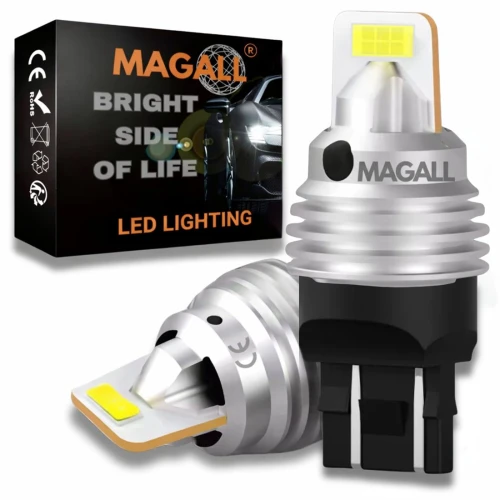
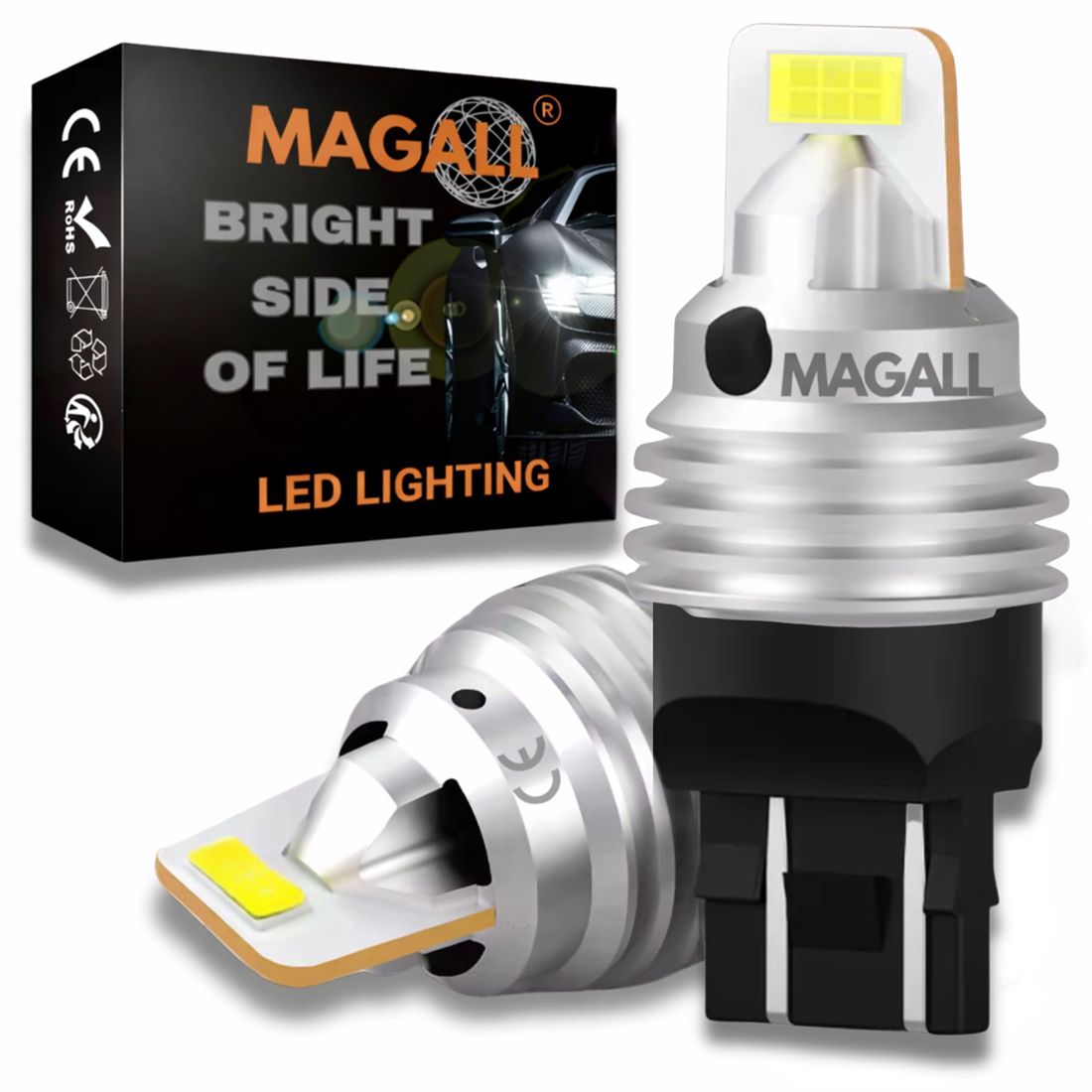
W21/5W T20 7443 LED BULBS MAGALL WHITE BRIGHT 1600LM DRL PARKING 12V
Regular price:
Regular price:
product unavailable
add to wish list
Description
W21/5W T20 7443 LED BULBS MAGALL WHITE BRIGHT 1600LM DRL PARKING 12V
LONGLIFE series
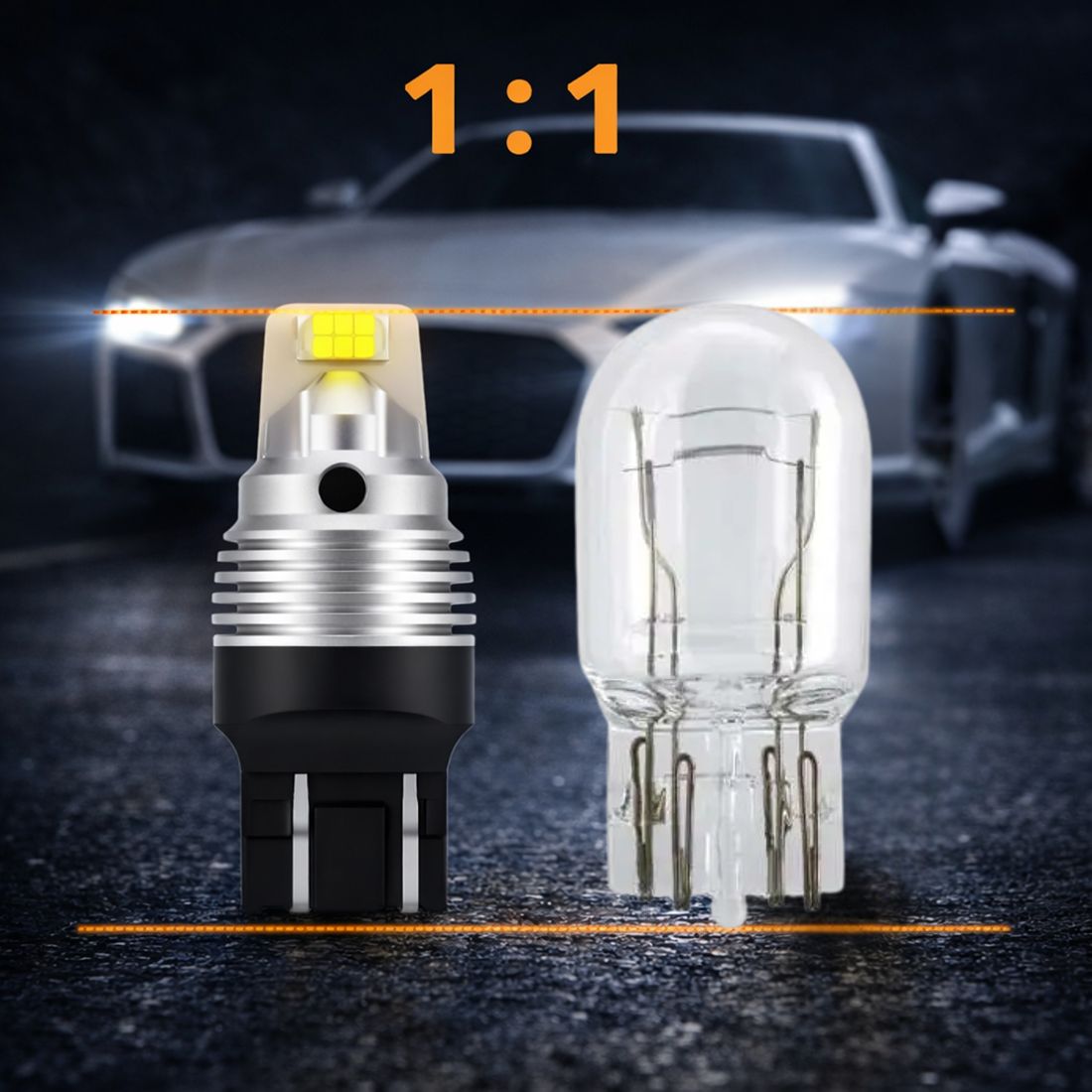
➡️ 1:1
✅Lifespan - 5 YEARS or 100,000 km !!!!
☝️ CANBUS - depending on the vehicle's diagnostic system - check the bulb specifications below
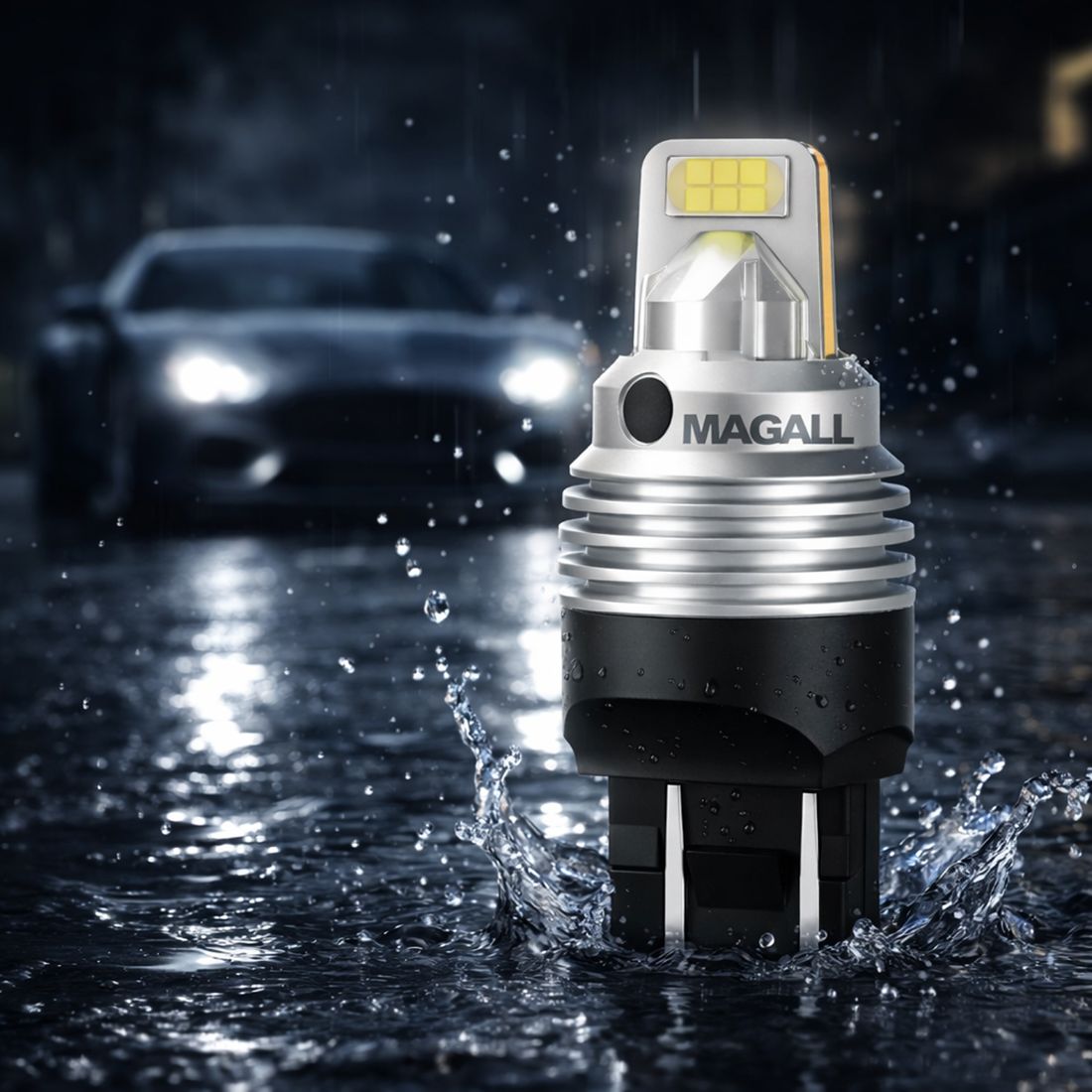
MAGALL LONGLIFE LED bulbs are made of top-quality materials.
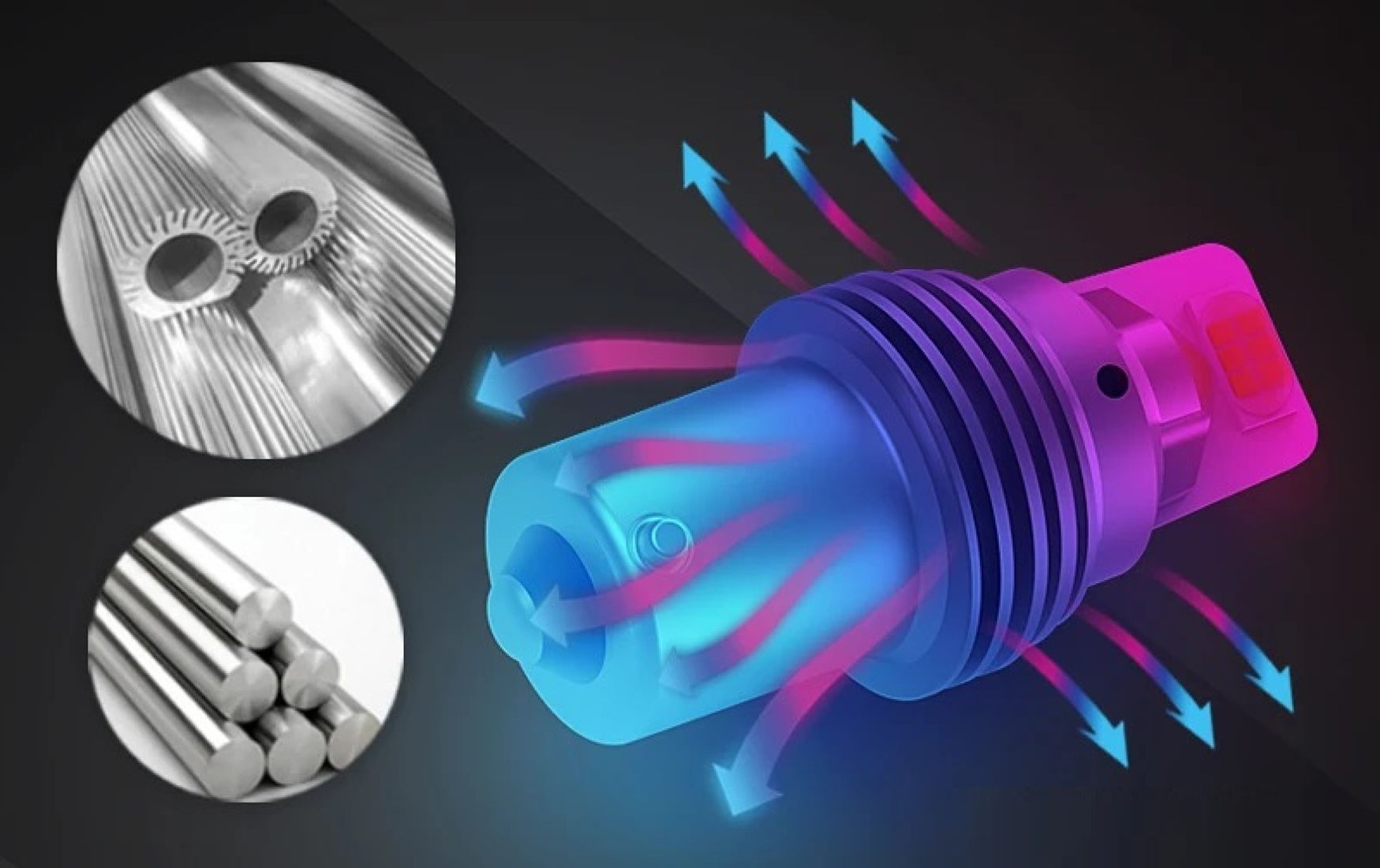
- Special aluminium alloy
- Passive heat sink
- Korean LED CHIPS covered with a silicone lensthat protects them and acts as an optic, improving light output through proper refraction and diffusion.
All this makes them exceptional bulbs that are very durable and weather-resistant.
➡️ Specifications:
- Base type: W21/5W T20 7443
- Luminous flux 21: 800LM
- Luminous flux 5: 200LM
- Power 21: 10 W
- Power 5: 1.2 W
- Current 21: 0.7 A
- Current 5: 0.1 A
- Resistance 21 - 20Ω
- Resistance 5 - 140Ω
- Voltage: 12V (do not use on 24V)
- LED type: 7035 CSP
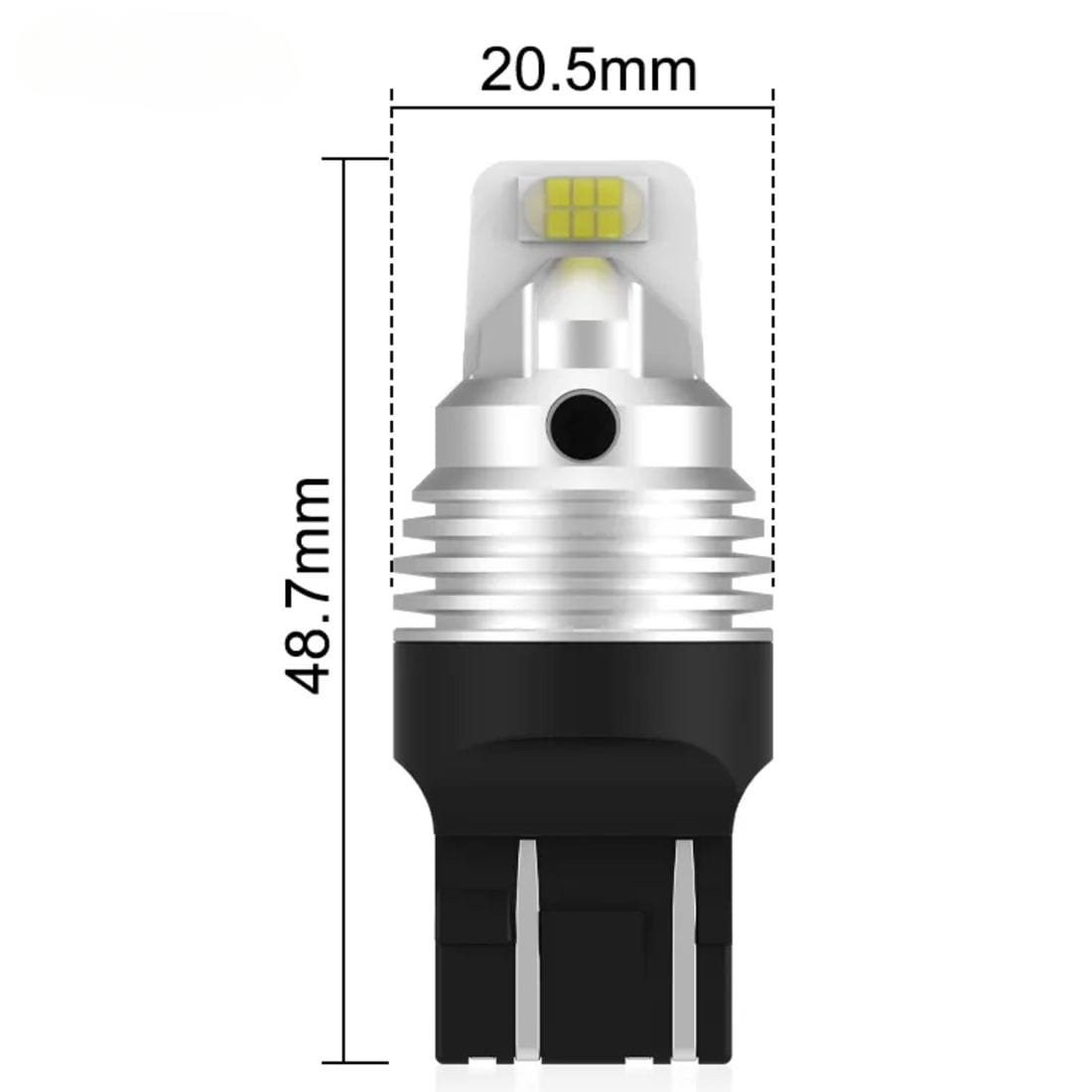
- Overall length: 45mm
- Width: 20.5mm
- Colour: WHITE
For comparison, the specifications of standard W21/5W bulbs
- Luminous flux 21: 460 lm
- Luminous flux 5: 35 lm
- Power 21: 21 W
- Power 5: 5 W
- Current 21: 1.75 A
- Current 5: 0.42 A
- Resistance 21: 6,8 Ω
- Resistance 5: 28,5 Ω
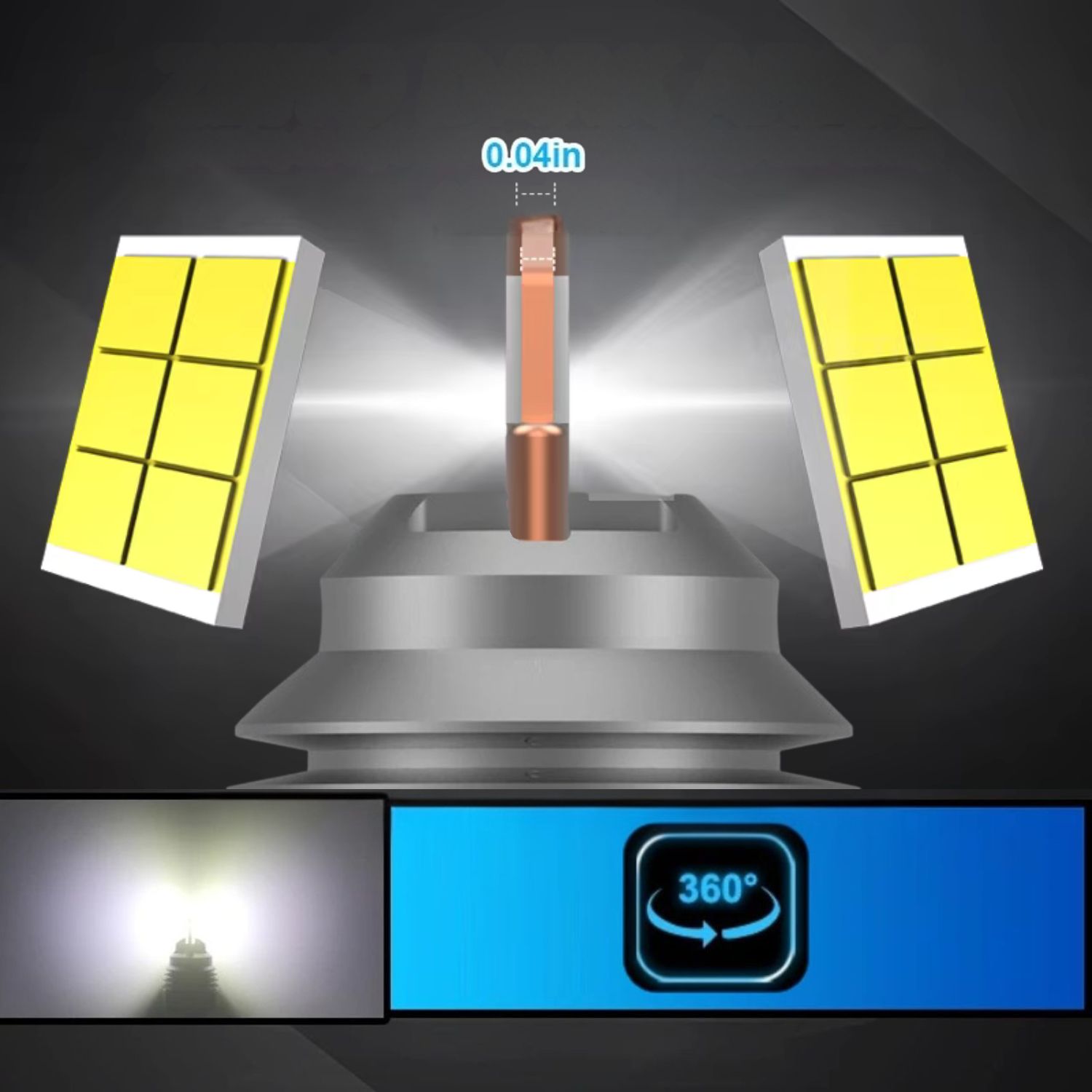
➡️Even light distribution: Thanks to this LED chip arrangement, the light emitted by the bulb is spread evenly around the whole bulb axis, giving uniform light in all directions. This improves the vehicle's visibility and driving comfort.
➡️Better compatibility: Placing the LED chips in the same position as the filament in a halogen bulb ensures that the LED bulb has geometry compatible with the vehicle's lamp housing. This avoids problems fitting LED bulbs into existing lighting systems.
➡️360-degree viewing angle: LED chips on both sides of the bulb provide a full 360-degree viewing angle, which means the light is spread evenly in all directions.
➡️Light efficiency: Placing the LED chips in the right position gives bright, concentrated light, which is important for driving safety.
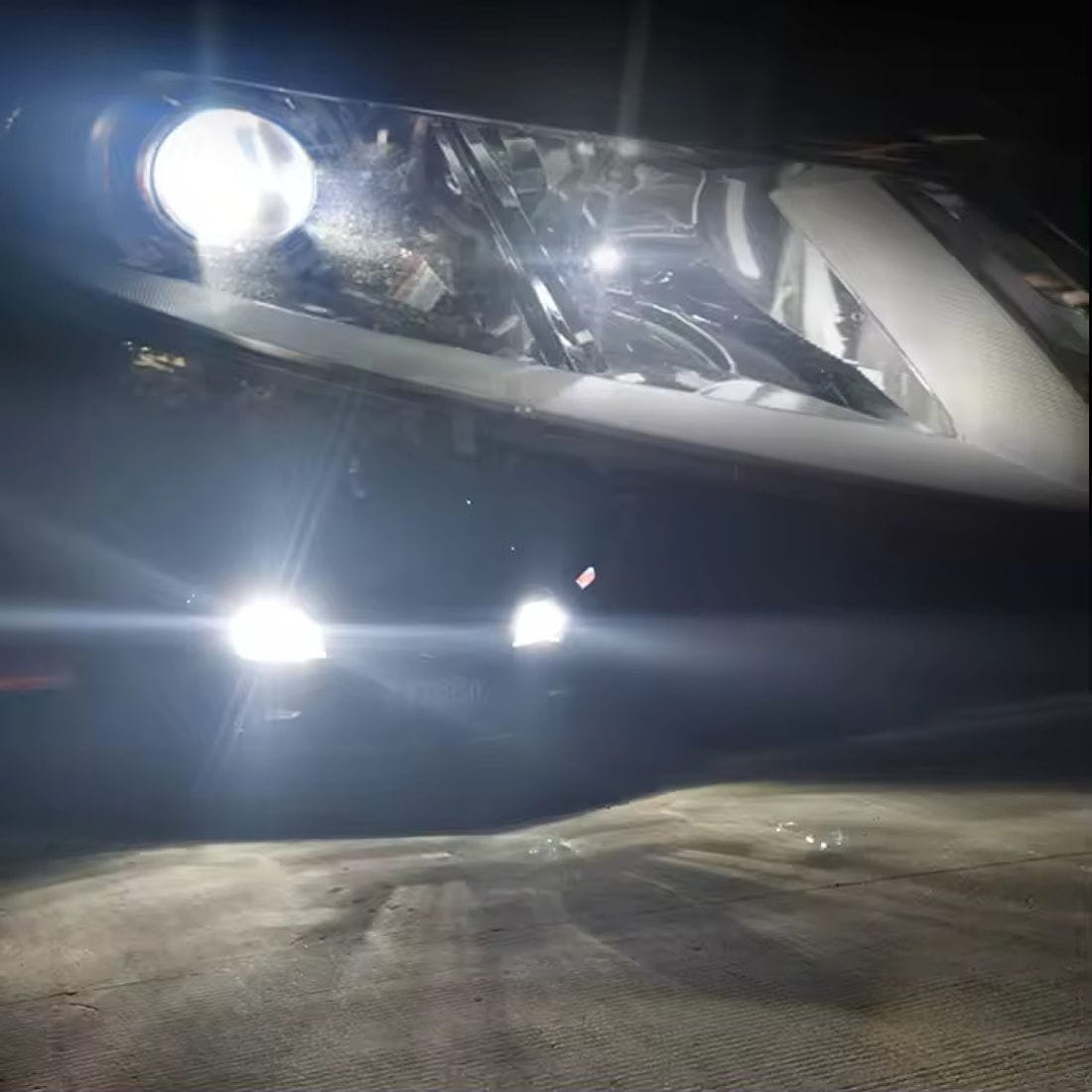
➡️Powerful light: Our LED bulbs with 1600LM (PAIR) brightness and 10W power provide the right light to increase visibility and safety while driving.
➡️Excellent heat dissipation: The 6063 aircraft-grade aluminium body provides excellent heat dissipation, keeping the bulb's operating temperature lower while increasing its brightness and durability.
➡️Application⬅️
☝️Daytime running lights (DRL): use them as daytime running lights to make you more visible on the road and improve safety, especially in poor weather.
☝️Parking lights
✅Important product information – benefits and safety rules
1. Operating temperature – modern and controlled Our LED bulbs reach a temperature of about 100°C during operation. This is a normal, fully controlled design feature that shows they are working correctly and efficiently.
2. Safety for your car – a key advantage over tradition Unlike our LEDs, traditional halogen car bulbs generate extreme heat. The temperature of their glass bulb reaches 200°C to as much as 250°C! Thanks to a much lower operating temperature, our LED bulbs are 100% safe for factory lamps and headlights. There is no risk of damage, clouding or melting, a common problem with overheating halogens.
3. Warning – your safety during installation Remember that even 100°C can cause burns. Always avoid touching the bulb while it is on and immediately after switching it off. Before fitting or removing it, wait a few moments to be sure it has cooled down completely.
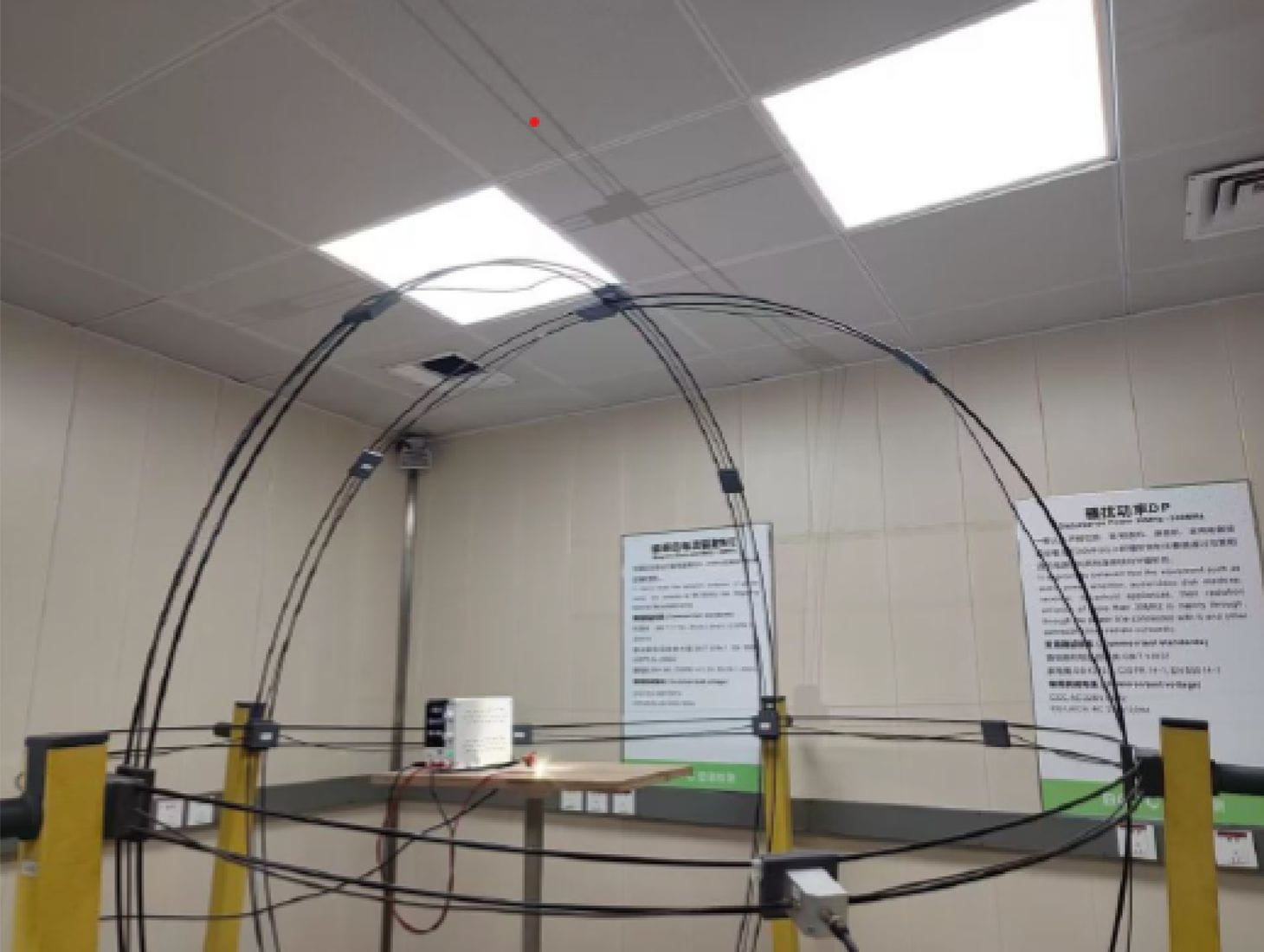
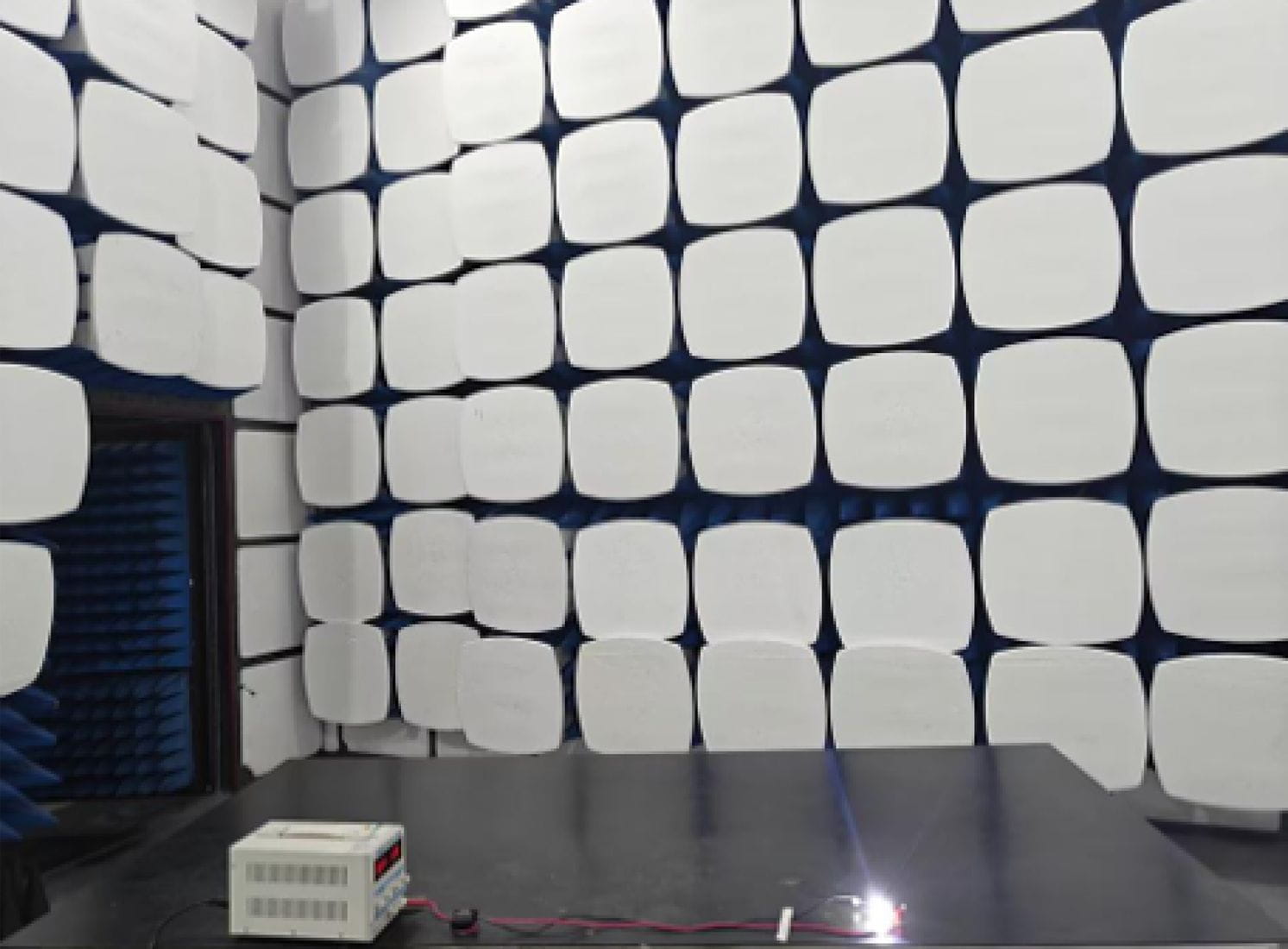
MAGALL LED bulbs comply with the EMC Directive 2014/30/EU and have passed EN IEC 55015:2019+A11:2020 testing.
Meeting the requirements of the EMC Directive, MAGALL bulbs are designed not to interfere with other electrical devices and are resistant to external electromagnetic interference. This means stable, trouble-free operation throughout their service life, adding to the convenience, safety and comfort of everyday use of MAGALL LED lighting.
MAGALL LED bulbs carry the CE mark and meet European Union requirements for safety, health and environmental protection. The CE mark shows that the products have been tested for safe use and meet the strict quality and technical standards required in the EU.
Are LED bulbs type-approved (homologated)?
All LED light sources available on the market were designed for headlights that meet the standards for halogen or conventional bulbs. The European Union has not yet adopted the comprehensive regulations needed to legalise LED retrofit light sources. When some sellers present information in their listings suggesting that LED bulbs are type-approved, this is intended to mislead customers into buying. Some of them even put an E… mark on the product to reinforce this impression. We do not use such practices.
In the European Union, automotive products must have UNECE certification to be used on public roads. Existing ECE certificates cover only halogen and xenon bulbs and LED light sources fitted as original equipment in new vehicles. However, there are no specific type-approval requirements or restrictions on using LED light sources on private roads, race tracks, etc. That is why leading manufacturers of automotive LED lighting mark their products "off-road use only" or "not for use on public roads".
Although the law has not changed, we believe our customers now know enough about LED light sources to make an informed choice and a satisfying purchase.
All our products comply with the EMC Directive 2014/30/EU – CE
and are tested to EN IEC 55015:2019+A11:2020 and EN 61547:2009
CANBUS – how it works and why it matters for LED bulbs
CAN BUS (Controller Area Network Bus) is a car's internal communication network that lets electronic modules (e.g. the BCM – Body Control Module) exchange data without extra wiring.
The computer does not check whether the bulb actually lights up – it measures the current draw and the circuit resistance.
- Test when the ignition is switched on: the computer sends a short pulse and checks whether the resistance falls within the so-called acceptance window, i.e. the permitted range of values.
- Continuous measurement while driving: in more advanced cars the BCM constantly monitors the current. If the LED bulb has different characteristics from a halogen (e.g. lower current draw), the system may treat this as a fault and display a "bulb out" message.
In practice, different cars have different tolerance ranges and CANBUS standards – they differ in data transfer speed, how the circuit is tested, and resistance and power draw requirements.
So saying that an LED bulb "has CANBUS" or "doesn't have CANBUS" is a simplification. It all depends on the tolerance of the vehicle's diagnostic system and the parameters of the LED bulb itself.
An illustrative example of how it works:
an H7 halogen bulb has a resistance of 3,6Ω
1.
- an example H7 LED bulb has a resistance of 10 Ω
- car A (acceptable range) 2,5–7 Ω – warning
- car B (acceptable range) 2–12 Ω – no warning
- car C (acceptable range) 3–5 Ω – warning
2.
- an example H7 LED bulb has a resistance of 6 Ω
- car A (acceptable range) 2,5–7 Ω – no warning
- car B (acceptable range) 2–12 Ω – no warning
- car C (acceptable range) 3–5 Ω – warning
3.
- an example H7 LED bulb has a resistance of 2,5 Ω
- car A (acceptable range) 2,5–7 Ω – no warning
- car B (acceptable range) 2–12 Ω – no warning
- car C (acceptable range) 3–5 Ω – warning (short circuit)
Now you know why the same bulbs work without warnings for some users while for others the on-board computer reports a problem.
In our listings we state the technical parameters preciselyto make it easier to choose bulbs for a specific car model and avoid misunderstandings.